Metal roofing provides dependable protection against harsh weather. Property owners who value strength select metal systems built for endurance. Each design decision affects how the surface withstands hail. Selecting the right configuration ensures lasting defense and lasting peace of mind. Contact a reliable roofing expert to discuss the best system for the structure. Durability depends on precise planning. Every feature, from profile to finish, works together to resist damage. Careful coordination creates a barrier that performs under heavy impact.
Panel Profile Selection for Enhanced Impact Protection
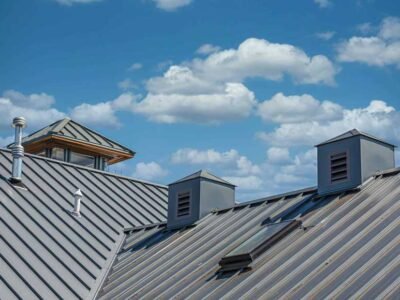
Hail-resistant metal roofing performs best when the profile shape supports balanced impact control. Panel form determines how hail is distributed across each section. Deep ribs, hidden seams, and tight edges spread impact energy across a wider area.
Key considerations include:
- Panel height that directs pressure away from joints
- Contoured designs that strengthen alignment
- Firm connections that restrict movement during storms
Profile design influences both appearance and function. Balanced curvature prevents surface dents and maintains uniform protection. A well-selected panel profile enhances roof strength while preserving architectural appeal.
Metal Gauge and Thickness as Key Defense Factors
Heavier metal increases durability under impact. Each gauge level defines a precise strength rating. Roof designers favor thicker material for regions that face strong hail. This decision boosts stability without adding excess weight.
Equal thickness across panels promotes consistent resistance. Steady dimensions maintain structure during direct or angled strikes. Gauge selection depends on span length and roof load demands. Accurate gauge planning ensures long-term reliability across every section.
Seam Construction Methods That Improve Structural Integrity
Seam type defines how panels interlock under pressure. Mechanical seams create tight locks that preserve shape after strong hits. Snap-seam systems provide faster fitting while maintaining secure alignment.
Seam layout prevents weak transition lines between panels. Even spacing distributes pressure evenly across the surface. A proper joint maintains water protection and prevents distortion near edges. Well-built seams improve both strength and water resistance during extreme conditions.
Protective Coatings Preventing Surface Deterioration
Surface finish shields metal from corrosion and minor abrasion. High-quality coatings block moisture and slow oxidation. Textured finishes reduce the visibility of small marks from hail contact.
Protective coating quality extends service life through weather resistance. Even coverage ensures full protection without heavy buildup. Regular care keeps color, gloss, and performance intact through long use. Effective coating choice ensures metal longevity across all seasons.
Roof Pitch and Installation Quality for Optimal Performance
Roof angle determines how hail impacts the surface. Steeper slopes let hailstones deflect instead of striking flat. Precise installation secures joints, fasteners, and flashing for complete coverage.
Alignment during fitting prevents uneven load points. Attention to detail strengthens every layer of the structure. Certified crews follow detailed specifications that maintain lasting reliability. Accurate pitch calculation supports faster runoff and prevents water retention.
Proper support determines the success of any roofing project. A certified metal roofing specialist understands how material, gauge, seam, and coating work together to resist hail. Expert guidance ensures every design decision aligns with structural requirements. Consulting a qualified professional guarantees correct installation methods and verified performance testing. Specialists with proven experience in hail-resistant metal roofing deliver systems that meet the highest safety standards. A roof planned with professional input provides unmatched endurance and confidence through every season.