Winter doesn’t wait for anyone. One day you’re enjoying mild fall weather, and the next, you’re waking up to frost on your windows, wondering if your van’s heating system will make it through the season. The time to find out isn’t during your first freezing night on the road.
November is the critical month to test, maintain, and upgrade your van heating system before winter fully arrives. A pre-winter inspection can prevent emergency breakdowns and ensure safe, reliable heating when temperatures drop below freezing.
Whether you own your conversion or frequently use passenger van rentals for winter adventures, understanding how to prepare heating systems for cold weather can mean the difference between a cozy trip and a dangerous situation. Here’s your complete pre-winter heating preparation guide.
Your November Van Heating System Inspection Checklist
Start with a comprehensive visual inspection of your entire heating system. Check all exhaust and air intake vents for blockages, corrosion, or damage. Look for any signs of wear on fuel lines, especially near connection points where leaks commonly develop.
Examine electrical connections for corrosion or looseness. Test your battery voltage—cold weather is hard on batteries, and a weak battery can prevent your heater from starting when you need it most. Your battery should read at least 12.4 volts when the vehicle is off.
Don’t forget the basics. Check that your carbon monoxide and smoke detectors have fresh batteries and are functioning properly. Replace any detector that’s more than 5-7 years old, regardless of whether it seems to work.
Testing Your Diesel Heater After Summer Storage
If your diesel heater sat dormant all summer, November is the time to wake it up properly. Run a full test cycle at maximum output for at least 30 minutes. This burns off any carbon buildup that accumulated during storage and reveals potential issues before you rely on it in freezing temperatures.
Listen carefully during the operation. Unusual noises—clicking, grinding, or excessive fan noise—can indicate problems with the combustion chamber or fan motor. Watch the exhaust output; it should be clear. Black or excessive white smoke suggests incomplete combustion and requires professional attention.
Check your fuel filter condition and replace it if it’s been more than a year. A clogged filter is one of the most common causes of diesel heater failure during winter. The glow plug should also be inspected—these typically last 2-3 years but can fail prematurely.
Should You Upgrade Your Heating Setup This Season?
If your current heating system struggled last winter, now’s the time to upgrade—not when you’re already on the road in December. Consider whether your system adequately heated your entire space or leaves cold spots in sleeping areas.
Evaluate your backup heating options. Even the most reliable diesel heater can fail, and having a 12V electric blanket or small backup heater can be a lifesaver. Chemical hand warmers and emergency sleeping bags rated for sub-zero temperatures should be part of your winter kit.
Insulation upgrades often provide better returns than heating upgrades. If you’re constantly running your heater at maximum, poor insulation might be the real problem. Adding reflective window coverings and sealing air leaks can reduce heating needs by 30-40%.
Essential Emergency Winter Heating Gear
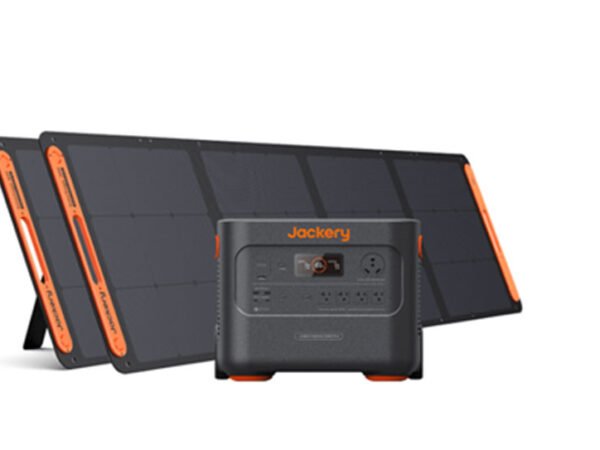
Beyond your primary heating system, stock your van with emergency supplies before winter hits. Keep a minimum three-day supply of fuel for your heater, stored safely in approved containers. Have backup power sources—whether that’s a portable battery pack or a small generator.
Emergency blankets, sleeping bags rated to at least -10°F, and chemical hand warmers should be easily accessible, not buried in storage. A small backup propane heater with proper ventilation setup provides peace of mind, though it should never be your primary heating source.
Don’t overlook communication tools. A fully charged satellite communicator or cell phone backup battery could be critical if you break down in remote areas during winter storms.
Regional Winter Heating Considerations
Your heating needs vary dramatically based on where you travel. Winter camping in Arizona requires different preparation than traveling through Montana or Minnesota. If you’re heading to mountain regions, your heating system needs to function reliably at high altitudes where oxygen levels are lower.
Coastal winter travel brings humidity challenges that affect both heating efficiency and condensation management. Desert regions experience dramatic temperature swings—scorching days but freezing nights—requiring flexible heating solutions.
Research typical winter temperatures for your planned routes and prepare accordingly. A system that works fine in Southern California might be dangerously inadequate in the Northern Rockies.
November Deals: Upgrade Now Before Prices Rise
Black Friday and Cyber Monday offer some of the best deals on van heating equipment. Diesel heaters from Webasto and Espar typically see discounts of 10-20% during November sales. Installation supplies, insulation materials, and emergency heating gear are also heavily discounted.
Many professional installers offer reduced rates during their slower fall season before the winter rush hits. Booking installation in November means you avoid the December waiting lists when everyone suddenly realizes they need heating upgrades.
Watch for bundle deals that include the heater unit, plus installation kit and fuel accessories. These packages often save $200-400 compared to buying components separately.
Take Action This Week
Don’t wait another day. Set aside two hours this weekend to run through the inspection checklist, test your heating system at full power, and check all safety equipment. Order any needed replacement parts now—fuel filters, glow plugs, and batteries take time to ship, and you don’t want to be waiting when the first freeze arrives. If you need professional service, schedule it immediately while installers still have availability. Winter is unforgiving to unpreparedness, but with a systematic November preparation routine, you can travel confidently knowing your heating system will keep you safe and comfortable no matter how low the mercury drops.