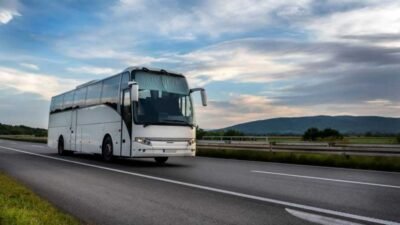
Picture this. You’re hours into a drive through remote terrain, and suddenly your engine starts making a strange noise. There’s no phone signal, no other cars in sight, and the nearest town is far away. Sounds stressful, right?
Long-distance drives through isolated areas can be incredibly rewarding. The open roads, stunning landscapes, and sense of freedom are hard to beat. But without proper preparation, things can go wrong quickly. The good news is that a little planning goes a long way. In this article, I’ll walk you through practical ways to stay safe when driving through remote regions.
Plan Your Route and Know Your Emergency Contacts
Research the Roads Before You Leave
Before you set off, spend some time researching your route. Check road conditions, identify fuel stations along the way, and note areas with limited mobile coverage. Many isolated roads don’t have consistent phone signal, so download offline maps or invest in a standalone GPS device.
Also, consider the season. Some remote roads become impassable during wet months due to flooding, while others can be dangerously hot in summer. A quick check online or a call to local authorities can save you from unexpected trouble.
Save Local Emergency Numbers
Here’s something many people overlook. Emergency services and roadside assistance vary by region. What works in the city might not help you in a remote area. Before you leave, save the contact details of local mechanics, emergency services, and roadside assistance providers relevant to your destination.
For example, if you’re heading through northern regions, knowing you have access to reliable towing services Darwin can give you peace of mind. Breaking down in the middle of nowhere is stressful enough without scrambling to find help.
Prepare Your Vehicle Before Hitting the Road
Conduct a Full Vehicle Inspection
Your vehicle is your lifeline on isolated roads. Before any long trip, give it a thorough inspection. Check your tyres for wear and ensure they’re properly inflated. Look at your oil levels, coolant, brake fluid, and battery condition. Test all your lights, indicators, and windscreen wipers.
Don’t forget your spare tyre. Make sure it’s in good shape and that you have the tools and knowledge to change it yourself. A flat tyre in a remote area with no spare is a situation you want to avoid.
Carry Essential Spare Parts
Even with a well-maintained vehicle, things can go wrong. Pack some basic spare parts like fan belts, fuses, radiator hoses, and extra engine oil. You don’t need to be a mechanic, but knowing how to do simple fixes can get you out of a tight spot.
If you’re not confident about your vehicle’s condition, visit a mechanic before your trip. Ask them to check everything and flag any potential issues. It’s a small investment that can prevent major headaches later.
Organise Your Gear for Maximum Protection

Secure Your Belongings Properly
When you’re driving on rough or unsealed roads, loose items inside your vehicle can become dangerous. A heavy toolbox sliding around during sudden braking isn’t just annoying—it’s a safety hazard.
Think about how you’re storing your gear. If you’re carrying camping equipment, recovery tools, or supplies, you need a system that keeps everything secure and protected from the elements. This is where ute canopies become incredibly useful. They shield your belongings from dust, rain, and sun while keeping everything organised and locked away from opportunistic thieves.
Pack for the Unexpected
Always assume something could go wrong and pack accordingly. Your emergency kit should include a first aid kit, torch with spare batteries, fire extinguisher, and an emergency blanket. Bring enough water for everyone in the vehicle—at least four litres per person per day—plus extra for your radiator.
Food supplies like energy bars and non-perishable snacks are also essential. If you’re travelling through areas with no phone coverage, consider a satellite phone or UHF radio. These can be lifesavers when you need to call for help and your mobile is useless.
Carry the Right Tools and Recovery Equipment
Recovery Gear Essentials
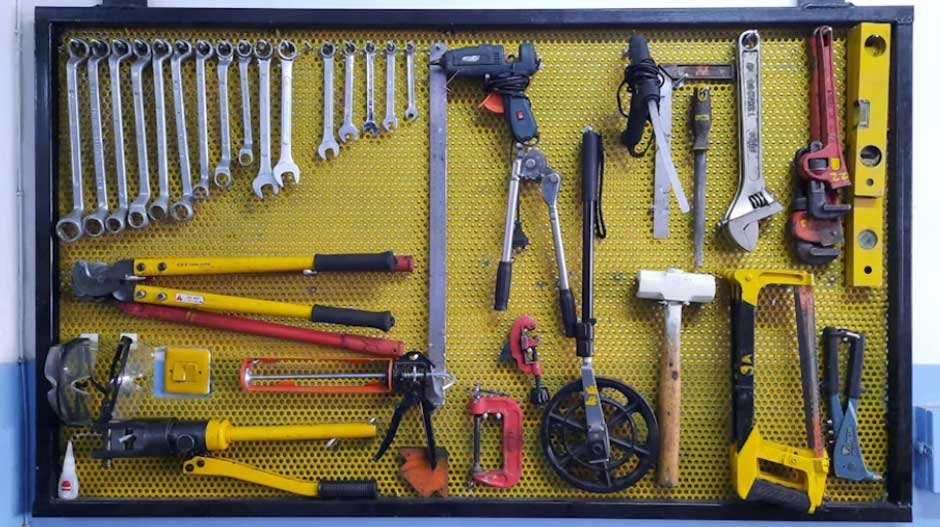
Getting bogged in sand or stuck in mud is common on remote tracks. Having the right recovery gear can mean the difference between freeing yourself and waiting hours for help. Essential items include a snatch strap, recovery shackles, a shovel, tyre deflator, and a portable air compressor.
But owning this gear isn’t enough. Make sure you know how to use it safely. Improper use of recovery equipment can cause serious injuries. Watch some tutorials or take a short course before your trip if you’re unfamiliar with the process.
Keep Tools Organised and Accessible
There’s nothing worse than needing a tool urgently and not being able to find it. When you’re stuck on the side of a dusty road, fumbling through a messy pile of equipment wastes precious time and energy.
This is why smart storage matters. Investing in quality ute boxes keeps your tools secure, protected from rust, and easy to access. You can organise everything into labelled compartments so you know exactly where each item is when you need it most.
Stay Alert and Drive Smart in Remote Conditions
Manage Fatigue on Long Drives
Driver fatigue is one of the biggest risks on long journeys. When you’re tired, your reaction time slows and your concentration drops. On isolated roads where hazards can appear suddenly, this is dangerous.
Follow the two-hour rule. Stop every couple of hours to stretch, grab a snack, and rest your eyes. If you’re travelling with someone, share the driving. And if you feel drowsy, pull over somewhere safe and take a proper break. No destination is worth risking your life.
Adapt Your Driving Style
Remote roads are different from highways. Many are unsealed, narrow, or poorly maintained. Slow down and drive to the conditions. Gravel roads require extra caution, especially around corners where you can easily lose traction.
Watch out for wildlife, particularly during dawn and dusk when animals are most active. Hitting a large animal at speed can cause serious damage to your vehicle and put you in a dangerous situation. Keep your headlights on during the day too—it helps other drivers see you from a distance.
Conclusion
Driving through isolated areas is an adventure worth taking, but only if you’re prepared. From planning your route and servicing your vehicle to organising your gear and driving smart, every step matters.
The key is thinking ahead. Know who to call if things go wrong, carry the right equipment, and never underestimate the challenges of remote roads. With the right preparation, you can enjoy the journey and handle whatever comes your way.
Stay safe out there, and happy travels.
Frequently Asked Questions
What should I do if my vehicle breaks down in a remote area?
Stay with your vehicle as it’s easier for rescuers to spot. Turn on your hazard lights, conserve your water and food, and try to contact local emergency services or roadside assistance using whatever communication device you have.
How much water should I carry for a long drive through isolated regions?
Carry at least four litres of water per person per day. Also bring extra water for your vehicle’s radiator in case of overheating. It’s always better to have more than you think you’ll need.
Is it necessary to carry recovery gear for every long trip?
Yes, especially when travelling through remote areas. Help can take hours to arrive, and having basic recovery gear allows you to free yourself from common situations like getting bogged in sand or mud.
How can I protect my equipment from harsh weather during travel?
Use weatherproof storage solutions to keep your gear safe from dust, rain, and extreme temperatures. Proper storage also helps prevent theft and keeps everything organised for quick access.