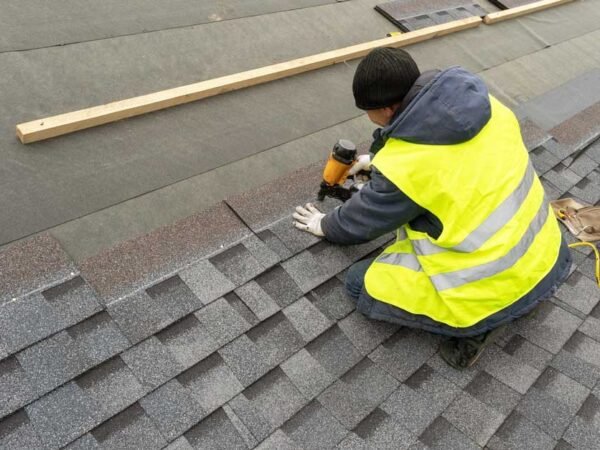
Homeowners often deal with roof issues that seem minor at first but can grow into larger concerns if left untreated. Shingle repair offers a practical way to address these concerns before they spread. Let’s explore how quick repairs can prevent damage and help keep a roof in reliable shape.
1. Loose or Missing Shingles
Loose or missing shingles are among the most common problems that roofs experience. A swift repair can restore roof integrity with shingle repair and prevent moisture from seeping into the layers beneath. These issues often appear after harsh winds or storms, leaving areas of the roof exposed. Quick attention helps with avoiding leaks and halting further deterioration.
When shingles fall off or lift away from the surface, the underlying materials can weaken. Water can settle in these areas and lead to mold or damaged decking. Regular checks may help improve the roof’s resistance to weather challenges by spotting missing pieces early.
2. Cracked or Curling Shingles
Cracked or Curling shingles form due to age, heat exposure, or past moisture issues. These defects can allow rain to work its way into the roof system, which can cause additional strain on the structure over time. Shingle repair provides a way to correct these problems before they spread to larger sections of the roof. A well-timed fix may help improve roof performance through each season.
Another advantage of correcting these issues is the prevention of further cracks. When one shingle weakens, the nearby pieces can wear out faster due to uneven coverage. Replacing small sections helps maintain a consistent barrier across the entire surface. This simple step reduces the risk of widespread roof failure.
3. Minor Roof Leaks
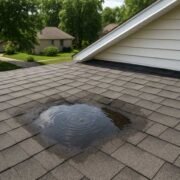
Minor leaks often originate from shingle defects, damaged sealant, or small gaps near joints. When caught early, these issues can be solved through focused repair work. A prompt fix may help stop moisture from entering important interior areas. It can also prevent mold, wood damage, and insulation problems.
- Common causes of small leaks:
- Cracked shingles
- Worn sealant
- Debris buildup
- Minor punctures
- Weak flashing near vents or chimneys
4. Granule Loss
Granule loss affects a roof’s ability to shield the home from heat and UV rays. When shingles shed too many granules, the surface weakens and becomes more prone to cracks or other damage. Repairing the affected section helps preserve the protective coating needed for long-term durability. This prevents deeper issues from forming under the surface.
Granule loss is easier to spot when gutters show an unusual buildup of coarse material. Shingle repair targets the compromised roof and restores its protective layer. Quick action may help extend the life span of the entire system. It also supports energy control inside the home by helping the roof reflect heat properly.
5. Lifted Roof Edges
Lifted edges occur when shingles no longer sit firmly against the roof surface. This problem creates entry points for wind and water, which can loosen additional shingles over time. Correcting lifted edges through repair strengthens the roof’s perimeter. It also reduces the chance of widespread shingle displacement during harsh weather.
Once the lifted area is secured, the roof’s ability to resist storms improves. Sealing or replacing affected shingles helps stabilize the outer sections of the roof. This type of repair keeps the vulnerable edges from turning into larger structural issues. Addressing the damage early maintains the overall shape and function of the roof.
Shingle repair offers a simple, effective way to solve common roofing issues before they escalate. Addressing loose pieces, cracks, leaks, granule loss, or lifted edges can restore roof integrity with shingle repair and help keep the structure sound. With timely care and practical maintenance, homeowners can reduce long-term costs and protect their roof for years to come.