A leak can spread faster than many expect and create hidden trouble inside a home. Small moisture paths weaken shingles, wood, and insulation long before stains show up. A clear view of how repairs slow this damage can protect the roof for many years. Let’s explore how careful steps make a meaningful difference.
Early Action That Protects the Roof
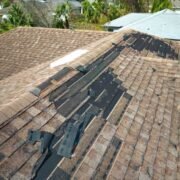
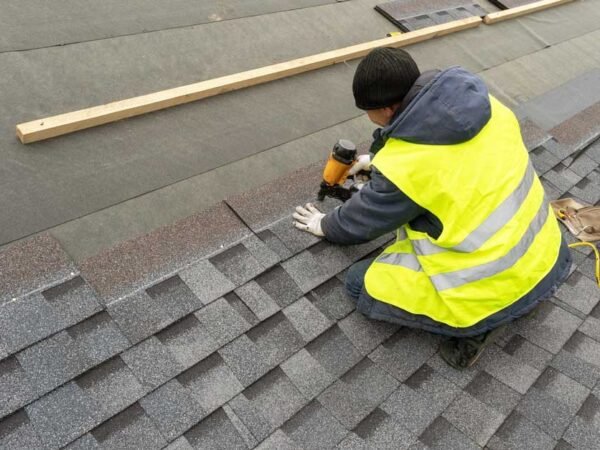
Swift repair keeps moisture from escaping into deeper layers of the structure. A specialist who handles roof repair for leak control checks every spot that shows stress from storms, debris, or age. This attention helps with damage prevention because small openings tend to grow wider under pressure. The right approach may help improve durability in places that face heavy rainfall.
Tiny cracks can direct water toward nails and joints where it settles quietly. Once moisture settles in those areas, rot can form and spread to larger sections. Early action stops this cycle and limits the number of weak points across the roof. A tight seal also aids in maintaining the surface strength through heat and cold shifts.
How Repairs Support Structural Stability
A roof stays strong when its layers remain dry. Repairs correct gaps that let moisture slip under the surface. These corrections support the weight of shingles and add balance to the structure. Over time, this leads to fewer stress points that cause sag or breakage.
Moisture trapped under shingles pushes nails upward. This effect weakens rows of shingles and shortens roof life. Repairs lock those spots back into position, which helps to stop pressure shifts. This step helps the surface remain even through seasonal changes.
The Role of Flash Zones in Long-Term Protection
Flash zones hold critical value because they defend edges where water gathers. These areas include chimneys, vents, and walls that meet the roof. Repairs in these zones help with leak prevention by tightening small gaps. When secured, they direct water downward instead of into the structure.
Loose flash layers let water slide behind the metal trim. Once this occurs, moisture spreads across the wood that supports the roof. A precise seal slows this spread and gives the surface a stronger base. Well-sealed zones also support better drainage after storms.
Materials That Strengthen Weak Areas
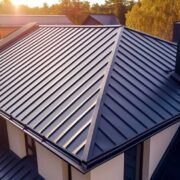
Strong shingles and underlayment protect the home by resisting moisture entry. Repairs add fresh sections where old parts lose grip. This update protects the layers beneath and helps the roof age with fewer issues. A strong surface also lowers the chance of repeat repairs.
How Crews Match Material to the Roof
Crews look at current conditions before placing new parts. They check the shingle type, thickness, and color to match them correctly. A proper match keeps the surface uniform and avoids uneven weight. This detail supports a smooth finish after the repair.
Evaluations That Add Years to the Roof
A detailed evaluation reveals issues that may hide under shingles or near vents. This step helps experts mark areas that need quick attention. These checks support roof health and delay the need for replacement. A strong inspection also clarifies what parts need reinforcement. Crews look for soft wood, loose nails, and fading protective layers. When they catch these issues early, the roof stays in better shape. Small fixes restore strength to worn-out sections.
Expert care through roof repair for leak control strengthens the foundation of a roof and slows long-term damage. This approach may help improve durability and protect the structure from deeper issues. A steady repair routine keeps moisture out and secures weak points across the surface. With the right steps, a roof remains stable and dependable for many seasons.