When considering a metal roof for your home, understanding the financial aspects is key to making an informed decision. Metal roofs are a durable and long-lasting option, but they come with costs that vary based on a few important factors.
To help you plan and manage your expenses, this guide covers how to budget effectively for a metal roof installation in Austin. With proper knowledge of local Austin metal roofing costs, you can ensure that your project stays within your financial comfort zone. Let’s explore these tips to make a budget in detail.
Evaluate the Cost Factors
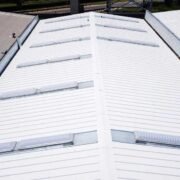
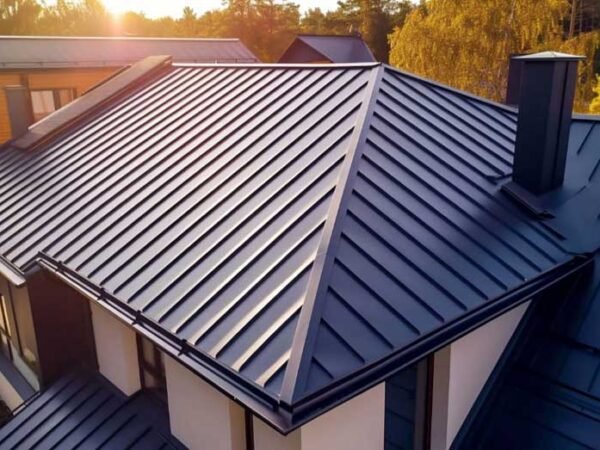
Metal roofing costs are influenced by various factors that you should take into account. The materials you choose, such as standing seam or corrugated metal, can greatly impact the overall cost. Additionally, the complexity of your design, including pitch and size, will influence labor and material prices. You will also need to factor in the cost of permits and any necessary repairs to your current structure. By considering all these aspects, you will get a clearer picture of what you can expect to pay.
Assess Your Home’s Roof Structure
Your roof’s existing condition can affect the total cost of your metal roofing project. If your current roof requires repairs or adjustments before the new metal roofing can be installed, this will add to the overall cost. In some cases, a complete tear-off of your existing one may be necessary. Additionally, the slope of your cover can play a role in determining labor costs, as steep slopes are more challenging to work on.
Get Multiple Estimates
When planning a budget for metal roofing, it’s always wise to gather multiple quotes from different contractors. This will give you a sense of the average price for your project and help you compare services offered. Make sure the estimates are detailed and include both material and labor costs. A reputable contractor will be transparent about all potential expenses, from roof removal to installation. Gathering estimates also allows you to identify the best value, which is crucial when managing your project’s finances.
Consider Additional Costs
Along with the base costs of materials and installation, there are other potential expenses you need to consider. For example, some contractors may charge extra for accessories like ridge caps, flashing, or ventilation systems. In some cases, additional costs can arise from the need for scaffolding or specialized equipment for a difficult-to-reach roof. Furthermore, if you live in a neighborhood with strict zoning regulations or HOA rules, you may need to budget for permits or fees. Make sure to ask your contractor about these potential hidden costs before signing any agreements.
Factor in Long-Term Savings
While the upfront cost of a metal roof might be higher than traditional roofing options, it’s important to consider the long-term savings. Metal roofing is highly energy-efficient, offering better insulation and reflecting heat away from your home. This can result in lower energy bills over the lifespan of your cover. Additionally, they require less maintenance than asphalt shingles and have a longer lifespan, which can save you money on repairs and replacements down the road. When planning your budget, keep these future savings in mind.
Budgeting for a metal roof in Austin involves understanding the local Austin metal roofing costs, the unique needs of your home, and the various factors that impact the overall price. By getting multiple estimates, considering long-term savings, and factoring in potential additional costs, you can plan your project more effectively. Keep in mind the different financing options available to make the investment in your home’s future more affordable.