Delving into the Amazon Rainforest, the activities of humans do not produce concomitant effects and consequences. Can a place be more magical than everywhere that nature reveals in millions of ways through charades, like a brief flashing of colors, one gentle rustling, or a river that you see but not below it?
Amazon’s toddler families would never forget the nature encounter that was the most or the best combination of that with education. This ecosystem has more species per square kilometer than any other, and it is not just alive, it is thriving.
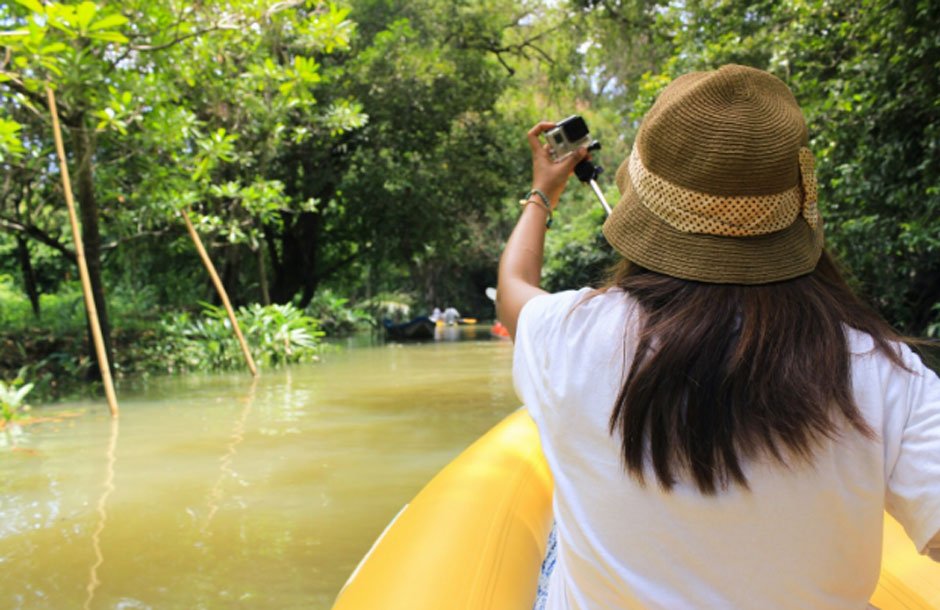
Embarking on an Amazon Cruise
Taking a luxury Amazon river cruise is like embarking on an expedition into one of the planet’s last great wildernesses. Travelling through the world’s largest rainforest reveals not just the amazing diversity of species but also the untainted beauty of the Amazon, home to 10% of all known plants and animals.
Adventure and comfort are expertly balanced thanks to onboard amenities like a spa, opulent cabins, and elegant lounges, as well as expert-led activities that transport travellers deep into unexplored natural areas. Every moment is like being in the centre of the Amazon, and it is an amazing experience that combines comfort and information.
What to Expect?
- Vibrant macaws creating a spectacle of sound and color
- The powerful harpy eagle gliding through the misty canopy
- Playful toucans spreading seeds and keeping the forest alive
- Tiny poison dart frogs flashing vivid warning colors
- The mighty black caiman, guardian of the black waters
- Industrious leafcutter ants building underground gardens
- The elusive Brazilian wandering spider, hunter of the night
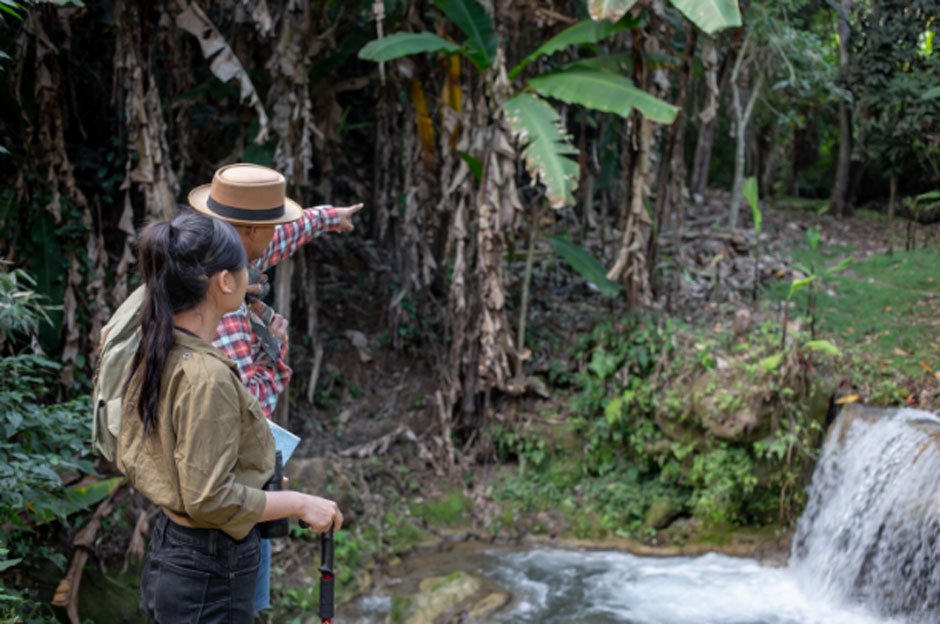
Awareness of the Amazon’s Living Network
With its vastness of 5.5 million square kilometers covering nine South American countries, the Amazon Rainforest is a gigantic living system commonly referred to as the “lungs of the planet.”
It is home to almost one-third of the world’s fauna and includes the boldest predators and the most delicate pollinators. The choice of family trips to wildlife is, however, difficult because of the large number of wildlife available.
How are you going to find your way in such a wild mass of rivers, trees, and sounds?
The solution is to slow down and get to know the forest’s tempo. Each layer, from the moist forest ground to the lofty treetops, has a unique tale to tell. Animals that creep, float, or fly have moulded their lives to fit this elaborate habitat perfectly.
How to Spot Wildlife as a Family
| Tip | Description |
| Hire a local guide | Guides know where animals hide, feed, and move. They interpret the forest’s signs, helping children understand the meaning behind every sound or track. |
| Go out at dawn and dusk. | Wildlife is most active during these hours. The misty mornings and golden evenings bring many species closer to the water or forest edges. |
| Stay quiet and move slowly | Many creatures rely on hearing more than sight. Encourage children to listen carefully—the chirp of frogs, rustling leaves, or distant bird calls often reveal hidden life. |
Birds of the Sky: The Amazon’s Winged Colors
Color and song are the most important factors for the forest canopy, and sometimes the most colored ones are the macaws, birds whose feathers range from an electric blue through red and yellow. Along with feeding, they will be chattering and making a beautiful spectacle of sound and color. Thousands of them might be seen at once, which is a daily sight for people visiting the clay licks near Puerto Maldonado in Peru.
Then there is the harpy eagle, one of the mightiest birds of the world. Its claws can be as large as a grizzly bear’s, and the sheer might of the eagle can even inspire admiration. The image of one gliding through the mist with its massive wings outstretched is a rare one, but it will be with the witness for good.
And the toucan, forever the cutest bird. He looks like a character from a fairy tale with his huge bill and curious eyes. Not only does this bird have an impressive appearance, but it also plays a major role in keeping the rainforest clean and healthy by dispersing seeds during fruit-eating.
Reptiles and Amphibians: The Silent Watchers
The silent beings of the Amazon that are cold-blooded also have a quiet but no less important role in the whole ecosystem. The most remarkable of them all is the poison dart frog, whose tiny size does not prevent it from showing off its remarkable colors.
Mother Nature has given the frog’s colors the discouraging role of warning; they are nice to see, but better when seen from afar. The indigenous people have utilized its venom for darts in hunting, which indicates how mighty the defenses of nature can be.
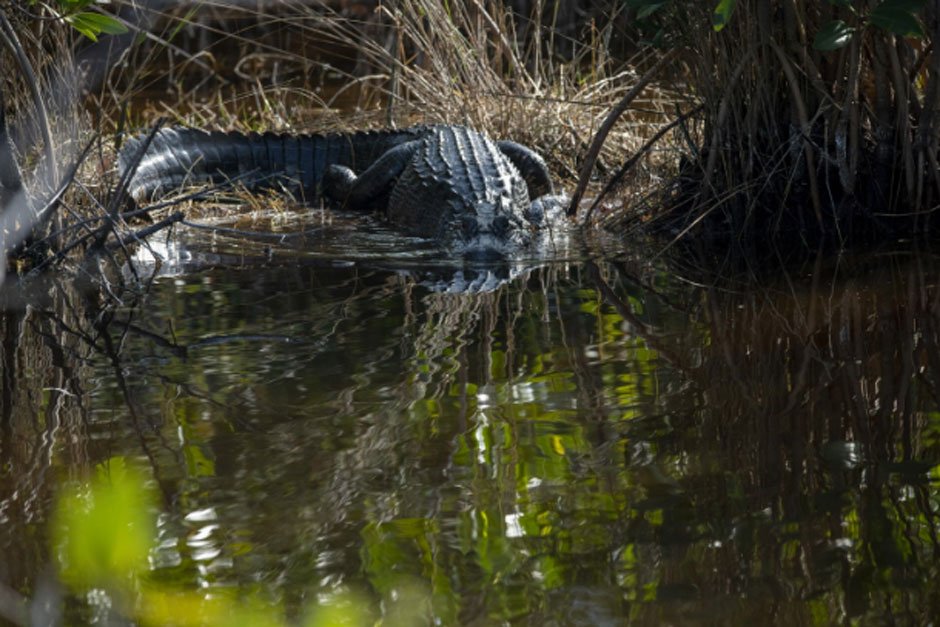
The black caiman, dubbed the ruler of the dark waters, may appear monstrous, but he is in fact a hero of nature. This magnificent creature has endured a lot due to hunting, to the extent that it nearly became extinct, and still it was able to recover gradually after conservation measures were enacted. To see a black caiman adeptly and stealthily mingling with the river is to experience a time travel back to the era of dinosaurs.
Insects and Tiny Wonders
The insect world is often the first and sometimes the last part of the Amazon, which is the most troubling area of the Amazon for children. Leafcutter ants are nature’s foremen of teamwork.
These little bugs cut and transport leaves that are many times bigger than their bodies and use them for underground fungus gardens. Standing by and watching them march in a steady stream across the soil of the forest is like seeing a whole civilization busy at work.
Spider with a similar reputation as the Brazilian wandering spider is intimidating, but at the same time absolutely interesting. It is a nighttime animal and uses its sense of touch and vibration to get around on the ground of the forest. It is not so easy to get along with, but it is significant in controlling insect populations.